Why familiar branding choices fail is often because the branding feels familiar to the business owner, rather than distinctive or meaningful to the audience.
That familiarity feels safe, even when it isn’t a good long-term fit.
You’ve seen it before. It looks “right”. It makes sense in your head.
Part of that is the psychological effect of familiarity. Research suggests people genuinely gravitate toward what they already know rather than something new.
The trouble is that familiar, or obvious, branding choices don’t usually fail in obvious ways. They fade instead. They begin to feel uncomfortable. Hard to explain. Hard to stand behind. And eventually, hard to keep.

Why familiar branding feels reassuring in the first place
When you’re building or growing a business, you’re making decisions without a clear visual reference point.
You might know what you do. You might know who you help. But translating that into something visual? That’s murkier.
So your brain reaches for what it already recognises.
You’ve seen similar logos in your industry. You’ve noticed certain colours, fonts, and layouts appearing again and again.
And without realising it, familiarity starts to feel like correctness. Not because it’s the best solution, but because it reduces uncertainty.
This is completely human. Familiarity creates relief. It lowers decision pressure. It offers something solid when things feel abstract.
The problem is that relief is not the same thing as fit.
When “this makes sense” isn’t the same as “this works”
One of the most common things I hear from clients is: “I know exactly what I want my logo to look like.”
Often, that idea does make sense. On the surface. It might align with what others in the industry are doing, what feels professional or what looks polished or established
But branding doesn’t exist in isolation. It carries meaning whether you intend it to or not. And familiar branding choices tend to come with borrowed meaning. Meaning that was never designed for your business in the first place.
That’s where problems start to appear.
What familiar branding choices actually do over time
The issues rarely show up on launch day. They show up months later, when you:
- hesitate before sharing your website
- tweak your visuals repeatedly without knowing why
- feel like you need to explain yourself more than you should
- sense that your brand doesn’t quite hold the weight of your work
Familiar branding often fails because it doesn’t anchor anything specific.
It doesn’t reflect your perspective.
It doesn’t clarify your position.
It doesn’t give you something to stand behind.
Instead, it blends in quietly and asks you to do the work of carrying meaning through words, explanations, and constant adjustment.
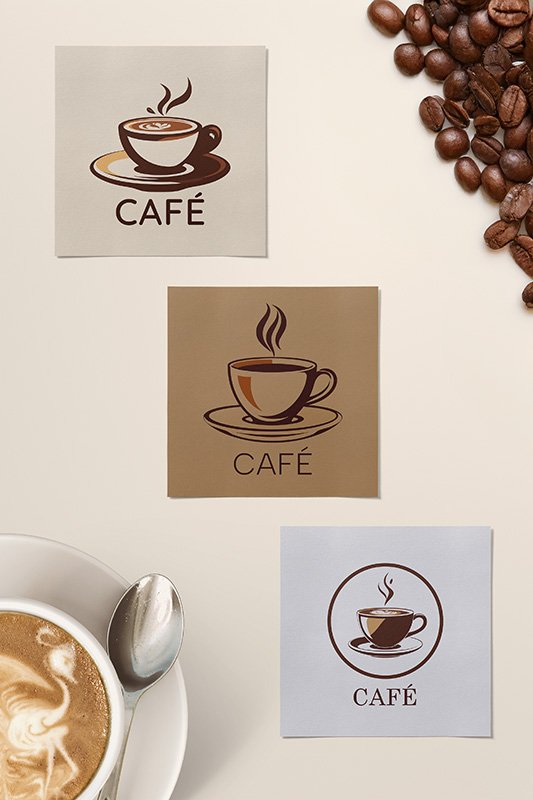
Why designers push back on “obvious” branding ideas
From the outside, professional pushback can feel frustrating. Especially when your idea feels logical. Especially when you’ve already pictured it working.
But when a designer hesitates, they’re rarely reacting to taste. They’re looking ahead. They’re thinking about:
- how this brand will age
- how it will stretch
- how it will feel when the business evolves
- how much meaning it can realistically hold
Familiar branding choices often look fine, but they don’t support you long-term. That’s the difference between something that looks acceptable and something that genuinely serves the business.
Familiar branding choices tend to come with borrowed meaning. Meaning that was never designed for your business in the first place
The quiet cost of choosing what feels safe
Safe choices rarely fail loudly. They fail subtly. They show up as:
- ongoing discomfort you can’t quite name
- a sense that your brand doesn’t reflect the quality of your work
- the feeling that something still needs “fixing”
- the temptation to start over sooner than expected
And none of that means you made a bad decision. It means the decision was made under uncertainty, using familiarity as a substitute for clarity.
That’s understandable. But it’s also avoidable.
What actually helps instead of familiarity
Branding works best when it’s built from:
- understanding, not comparison
- translation, not imitation
- clarity, not visual trends
This doesn’t mean being unusual for the sake of it. And it doesn’t mean rejecting everything familiar.
It means choosing intentionally, with guidance, rather than defaulting to what you’ve already seen.
That’s where branding starts to feel settled. And where the constant questioning stops.
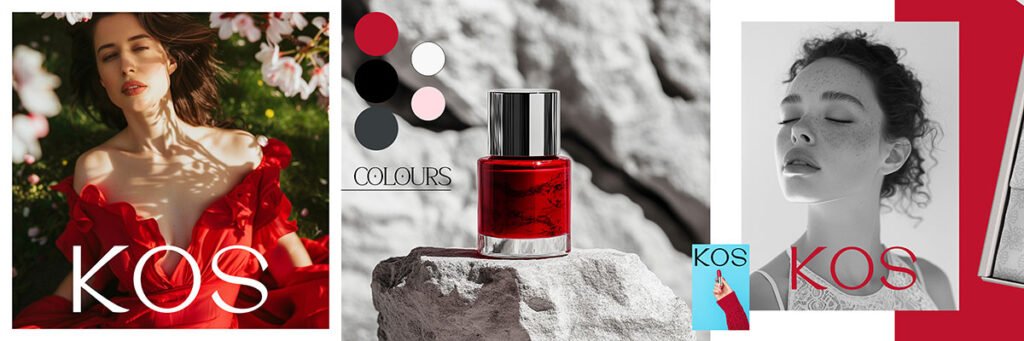
What “clarity” actually means in branding terms
We hear that word thrown about a lot lately. When designers talk about clarity, we’re not talking about knowing your brand values, or having a neat moodboard, or being able to describe your business in a sentence.
The clarity that supports you shows up in much more practical ways. It looks like:
- being able to explain why your brand looks the way it does
- recognising your business in your visuals without forcing it
- not needing to mentally justify or defend your logo
- making decisions faster because there’s a clear reference point
- feeling settled enough to stop tweaking
This kind of clarity isn’t about confidence as a personality trait. It’s about having a visual system that reflects something specific and intentional, rather than something borrowed.
When branding lacks clarity, people often mistake familiarity for certainty. They think: “I’ve seen this before, so it must be right.” But what they’re really responding to is recognition, not understanding.
Clarity is different.
Clarity means your branding is doing part of the work for you. Carrying meaning, setting expectations, and giving you something solid to build from, instead of something you have to keep propping up with explanation.
If this feels uncomfortably familiar…
That’s usually a sign you’re thinking about the right things. Now you understand more about why familiar branding choices fail so often, you may start to notice how easily familiarity is mistaken for suitability, especially when branding options feel obvious or widely used.
Taking the time to understand how similar businesses present themselves often makes it easier to spot when familiarity is coming from repetition rather than fit.
A gentle next step
If you’re at the stage where branding decisions feel heavier than they should, or you keep circling the same ideas without relief, that’s usually a sign something needs settling, not pushing through.
You don’t need louder branding or trendier ideas.
You need a clear visual reference point. One that reflects your business properly, supports your decisions, and doesn’t need constant fixing or explaining.

Thanks for reading
If your brand or website no longer feels like it reflects your business properly, I offer brand identity and web design support to help bring things back into alignment.
You can book a free 30-minute consultation to see if working together would be a good fit.