Introduction to Brand Development Process
My brand identity design process blends strategy, creativity, and psychology so that your business identity feels authentic, is remembered easily, and works consistently in the real world. I’ve designed this process to give you clarity before we begin, confidence as we create, and practical tools you can use long after the project ends.
Step 1: Discovery & Questionnaire
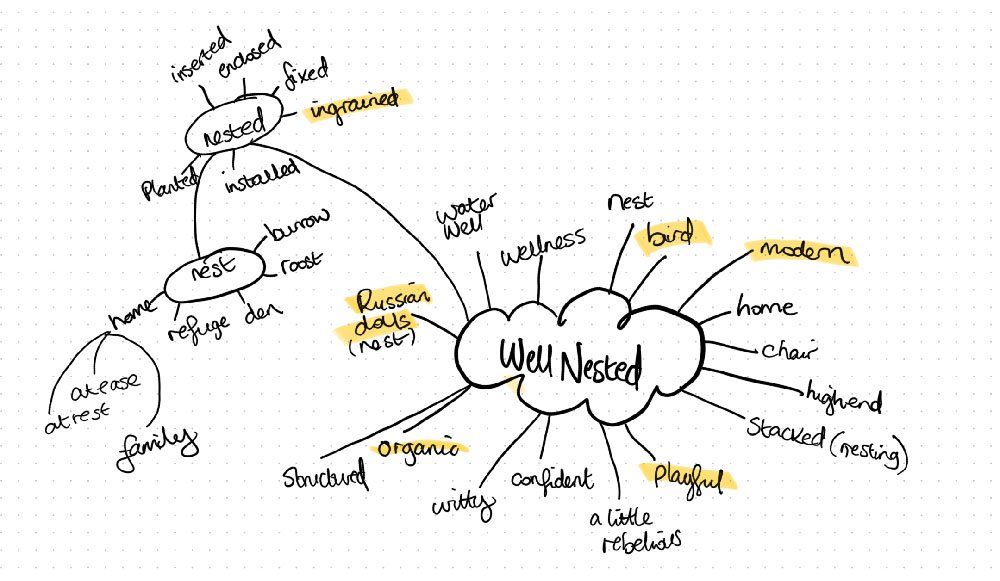
What I do: We begin the brand identity design process with a discovery session and a client questionnaire, which you can complete yourself or work through with me in collaboration. This captures your vision, values, ideas, and the story you want your brand to tell. From there, I create a hand-drawn mind-map that brings together your name, audience, and all the associations around your business — essentially turning scattered thoughts into a clear picture.
Why it works: Putting ideas into words and visual maps reduces cognitive load. The brain processes information more effectively when it’s organised, which is why mapping creates stronger memory pathways and shared understanding. It also ensures the design is rooted in your narrative and strategy, not my assumptions.
What you get: A strong foundation for your identity, and a clear visual record of your own ideas — something you can keep referring back to throughout the project.
Step 2: Strategy & Market Research
What I do: For all of my brand identity design clients, I perform competitor and market research. The depth depends on your investment level:
- Basic strategy: light competitor review (1–2 businesses) and a snapshot of visual trends in your niche.
- Full strategy: detailed competitor analysis, audience profiling, market positioning, and a full brand strategy document.
Why it works: People trust brands that “make sense” to their market but still stand out. This research balances logic with emotion so your brand feels both relevant and distinctive.
What you get: Strategy documents that guide not just the design process, but also your wider marketing and positioning.
Visual Identity Design Process
Step 3: Mood Boards & Visual Research
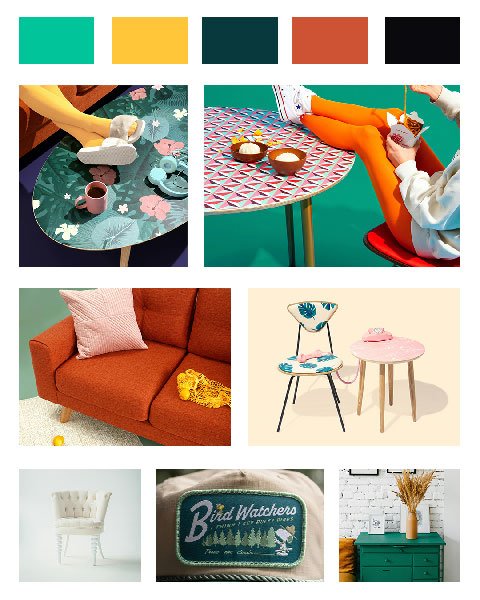
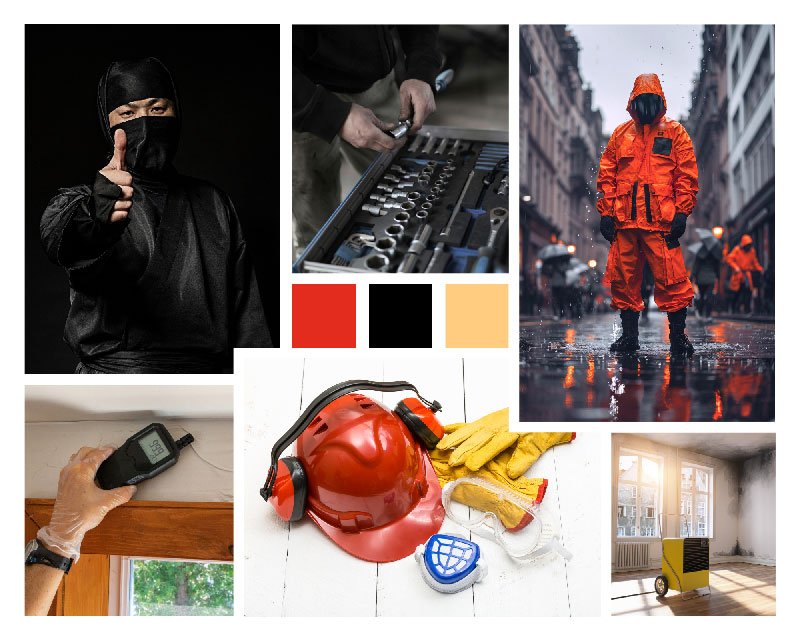
What I do: I create curated boards for vibe (textures, interiors, patterns) and logo inspiration (shapes of objects, symbols, icons tied to your brand).
Why it works: The brain likes familiarity but remembers distinctive details (the Von Restorff effect).
What you get: An identity rooted in your niche, but recognisable as yours.
Step 4: Brand Direction Presentation
What I do: Before any logo work begins, I prepare a complete brand identity direction presentation. This includes mood boards, typography, colours, and curated visuals. You must approve this before design begins.
Why it works: People make decisions emotionally, then justify them logically. Approving direction first creates processing fluency — your audience will “get” the feeling of your brand instantly.
What you get: Confidence that the creative path matches your vision, reducing revisions and uncertainty later.
Step 5: Client Portal & Communication
What I do: All communication, documents, and stage updates are stored in a dedicated client portal.
Why it works: A single, calm space reduces overwhelm and keeps everything transparent.
What you get: No hunting through emails — you always know exactly where we are in the process.
Step 6: Logo Concept Development
What I do: Once direction is signed off, I explore sketches but refine them into one strong concept.
Why it works: Presenting multiple logos leads to “frankenlogos” — mixing mismatched parts. Focusing on one well-developed idea means a stronger, more cohesive brand.
What you get: A logo with layered meaning, tested at small and large sizes, and built to last.
Step 7: Wordmark Exploration
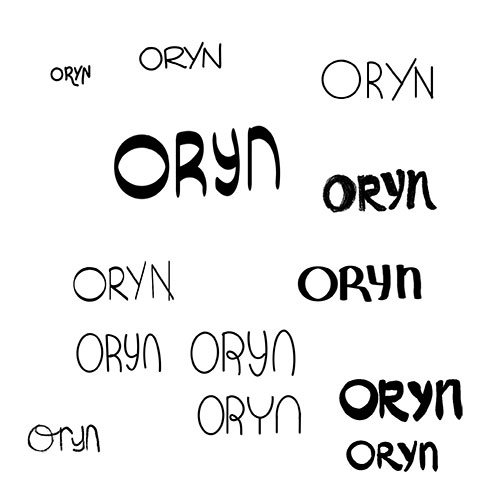
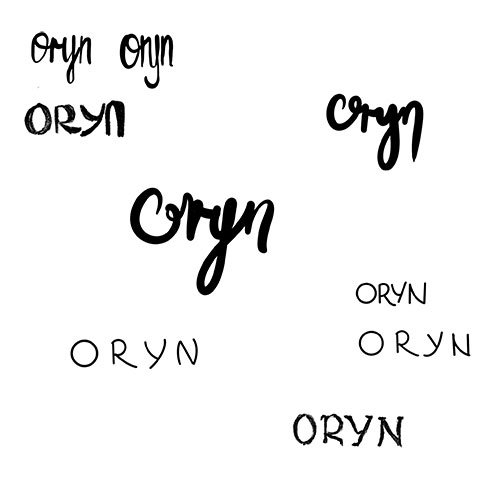
What I do: I test typefaces and refine spacing until the wordmark captures your story with personality and clarity.
Why it works: Letterforms carry emotion. The right rhythm improves trust and legibility.
What you get: A wordmark that looks professional and feels like you.
Step 8: Colour System
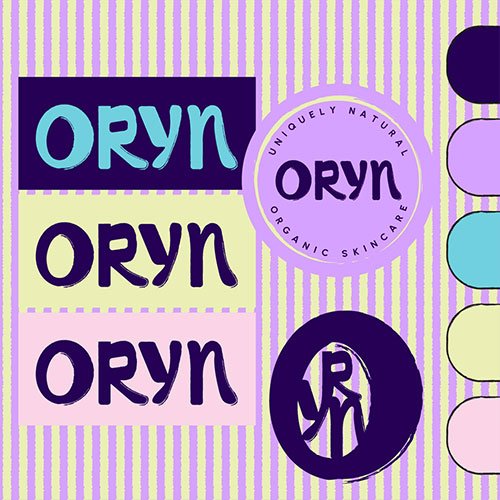
What I do: I design a palette with roles (primary, secondary, accents) and check accessibility ratios.
Why it works: Colour is one of the brain’s strongest memory cues. Consistent use builds recognition faster.
What you get: HEX/CMYK codes and clear usage rules that keep your brand on track.
Step 9: Brand Presentation with Mockups
What I do: I prepare a full brand identity presentation with real-world mockups (signage, packaging, social, print).
Why it works: Seeing your brand in use sparks future-pacing — the brain imagines success more vividly in context.
What you get: Confidence your brand will work wherever it appears.
Finishing Touches to The Brand Identity Design Process
Step 10: Templates & Tools
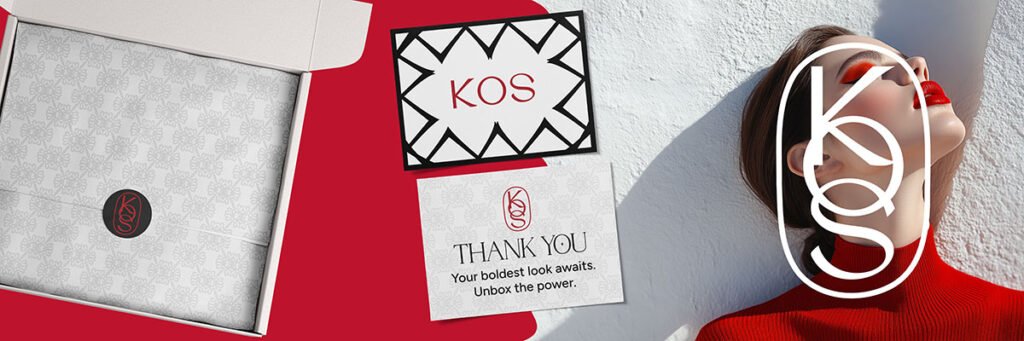
What I do: I create editable graphic templates (social posts, presentation slides, marketing graphics) and can design collateral like business cards, leaflets, or print materials. Premium projects include Illustrator masters and Canva versions for quick editing.
Why it works: Templates reduce decision fatigue. Consistency builds trust through the mere-exposure effect — the more often people see your brand looking the same, the more they like it.
What you get: Everyday tools that save time and keep you on-brand, online and offline.
Step 11: Handover & Support
What I do: I deliver a complete file pack, mini brand guide, and rollout checklist. For launches, I often include carousel templates for announcing your new brand.
Why it works: Implementation intentions (“when X happens, use Y template”) make action automatic.
What you get: A brand that’s launch-ready tomorrow, not “someday”.
Built-In Feedback Loops
At every major stage of my brand identity design process I invite structured feedback, with focused options to keep decisions easy and aligned. This protects clarity while giving you a calm sense of control.
Why Clients Value This Brand Identity Design Process
- Lower risk: Checks on accessibility, legibility, and context at every step.
- Faster adoption: Templates, rules, and collateral make your brand usable right away.
- Memorability: Distinct but simple forms, supported by consistent colour and type.
- Calm experience: A structured flow, one clear next step at a time, and kind communication throughout.
Next Step: Brand Identity Design
If this process feels like the kind of support your business needs, I’d love to help:
- Book a Power Hour
- Explore Brand Design Services
- Or see it in action: Brand Design Projects

Thanks for reading
If your brand or website no longer feels like it reflects your business properly, I offer brand identity and web design support to help bring things back into alignment.
You can book a free 30-minute consultation to see if working together would be a good fit.
Shop Brand Identity & Design Resources
Not ready to commit to a branding project yet? That’s cool – my shop has plenty of helpful resources to guide you in the meantime.